
The psychology of risk-taking in casino environments
The psychology of risk-taking in casino environments
The allure of risk in gambling
The excitement of risk-taking is a fundamental aspect of gambling, particularly in casino environments. This phenomenon stems from the human desire for thrill and adventure, often driving individuals to engage in behaviors they might otherwise avoid. The thrill can be attributed to the unpredictability of outcomes, which heightens emotional responses and often results in the release of dopamine, a neurotransmitter linked to pleasure and reward. Casinos leverage this allure by creating an environment that promotes risk-taking, using bright lights, engaging sounds, and the potential for immediate gratification. In this context, many players find themselves attracted to platforms like Boomerang Bet, which offers various options to enhance their excitement.
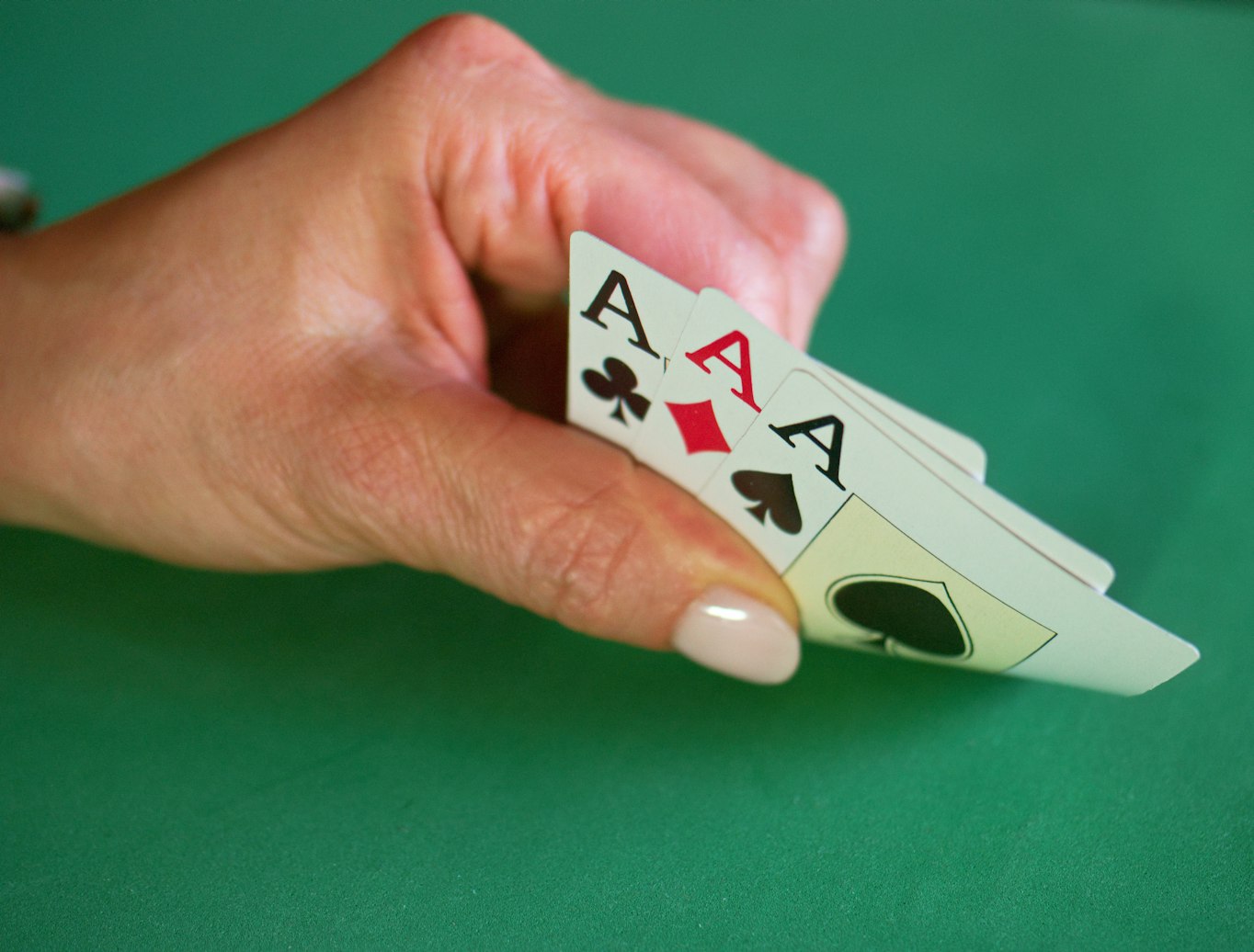
Moreover, the concept of perceived risk plays a critical role in how players engage with games of chance. While the inherent risk in gambling can lead to substantial losses, players often focus on the potential for wins, which can skew their decision-making processes. This cognitive bias towards optimism can lead individuals to gamble more than they intend, driven by the excitement of hitting a jackpot or winning against the odds. It is essential to understand that this psychological aspect is cultivated by the very nature of casino design, which often creates a sense of invincibility among gamblers.
The social aspect of gambling further enhances this risk-taking behavior. Many gamblers enjoy the shared experience of wagering, where camaraderie can amplify the feeling of safety in numbers. The presence of peers can encourage individuals to take risks they may not consider when alone. This social environment, combined with alcohol availability and the exhilarating atmosphere, makes it easier for players to justify their decisions to engage in high-risk behaviors, ultimately reinforcing their gambling habits.
Cognitive biases in gambling
Cognitive biases significantly influence risk-taking behavior in casino environments, leading individuals to make irrational decisions. One prominent example is the illusion of control, where players believe they can influence the outcome of games primarily based on chance. This bias is particularly observable in games like dice and card games, where players may exhibit superstitions or rituals to enhance their perceived control. Such beliefs lead to increased engagement and, consequently, higher levels of risk-taking, often disregarding the actual odds involved.
Another cognitive bias is the gambler’s fallacy, where individuals believe that past outcomes will influence future ones. For instance, a player may think that after a series of losses, a win is due, which can lead to riskier bets. This fallacy is compounded by the random nature of most casino games, where previous outcomes hold no bearing on future results. Understanding these biases is crucial, as they can lead to a distorted perception of risk and reward, ultimately resulting in reckless financial behavior.
Additionally, confirmation bias often plays a role, as players tend to seek information that supports their preconceived notions about luck and success. Gamblers may highlight their wins and downplay their losses, creating a narrative that justifies their ongoing participation. This selective memory can reinforce continued engagement with gambling, driving individuals deeper into risk-taking behaviors as they remain fixated on the potential for future gains instead of acknowledging the risks involved.
The emotional impact of gambling
The emotional highs and lows associated with gambling can significantly influence risk-taking behavior in casinos. Winning can elicit feelings of euphoria and excitement, while losses may lead to frustration or despair. These emotional responses often dictate future gambling decisions. For example, a player who has just won a large sum may be more inclined to take higher risks in subsequent bets, riding the wave of adrenaline and excitement. Conversely, individuals who experience significant losses may chase their losses, attempting to reclaim their previous wins through increasingly risky bets.
The concept of near-miss outcomes also plays a role in shaping emotional responses. In many gambling games, players often come close to winning, which can induce a sense of hope and motivate further risk-taking. This “near-miss effect” can reinforce gambling behavior, as players feel that victory is just within reach, prompting them to continue playing despite mounting losses. This cycle can create a strong emotional attachment to gambling, blurring the lines between rational decision-making and impulsive behavior.
Furthermore, the environment of a casino amplifies emotional experiences. The sights and sounds designed to evoke excitement can lead to an altered state of consciousness, making players more susceptible to impulsive decisions. Stress and excitement can merge, leading to a dopamine rush that influences individuals to gamble more aggressively. Understanding how these emotions interact with risk-taking is vital for individuals seeking to manage their gambling habits and maintain a healthy relationship with risk in casino environments.
Managing risk in casino environments
Understanding the psychology behind risk-taking in casino environments is essential for responsible gambling. One of the most effective strategies is setting strict limits on time and money spent. Players should establish a budget before entering a casino, only wagering what they can afford to lose. This approach helps mitigate the emotional highs and lows associated with gambling, allowing for a more rational decision-making process. Being aware of the potential for cognitive biases can also empower players to remain grounded and focused, reducing the likelihood of impulsive decisions driven by excitement.
Another effective method for managing risk involves recognizing the signs of problem gambling. Individuals should be vigilant about their emotional and financial health while gambling. This awareness includes acknowledging feelings of guilt or anxiety surrounding gambling activities. By taking a step back and reflecting on their gambling behavior, individuals can better understand their motivations and make informed decisions regarding their participation in casino games.
Additionally, seeking support from friends, family, or professional resources can prove invaluable. Support networks can provide perspective and help individuals navigate their feelings and experiences with gambling. Educational resources about responsible gaming practices can also enhance players’ understanding of risk in casino environments, equipping them with the tools necessary to gamble responsibly and enjoy the entertainment without succumbing to harmful behaviors.

Conclusion on the psychology of risk in casinos
The psychology of risk-taking in casino environments is a multifaceted phenomenon driven by cognitive biases, emotional responses, and social influences. Understanding these elements can significantly impact individuals’ gambling behaviors, enabling them to engage with games of chance more responsibly. By recognizing the allure of risk and the potential pitfalls associated with it, players can cultivate healthier gambling habits, focusing on enjoyment rather than financial loss.
As online betting continues to evolve, platforms like Boomerang Bet offer exciting opportunities for players to explore various games in a responsible manner. The site’s user-friendly interface and engaging experiences cater to a diverse audience while promoting responsible gambling. By embracing educational initiatives and providing resources for managing risk, these platforms contribute to a healthier gambling culture, allowing players to enjoy the thrill without compromising their well-being.